

Blog
Understanding Truck Bumper Fitment

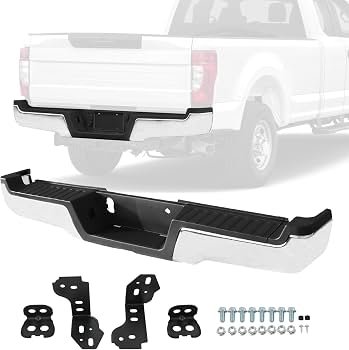
Replacing a truck bumper may seem straightforward, but finding the correct bumper requires more than matching the make and model. Different model years, trims, cab configurations, factory options, and bumper designs can affect compatibility.
Whether you need a front bumper or rear bumper, understanding fitment information before purchasing can help you avoid ordering the wrong part.
At Rocking F Powersports, we offer truck parts for Ford, Chevrolet, RAM, and GMC vehicles and help customers identify parts based on their vehicle information.
What Is Truck Bumper Fitment?
Bumper fitment refers to whether a specific bumper is designed to properly install on your truck.
A bumper that looks similar to your original may still have differences in:
Mounting locations
Bracket design
Overall dimensions
Sensor openings
Fog-light openings
Wiring connections
Tow hooks
Parking-assistance features
Trim and finish
This is why checking compatibility before purchasing is important.
Start With Your Truck’s Year, Make, and Model
The first step is identifying your truck accurately.
Provide the:
Model year
Manufacturer
Model
Trim level
Cab configuration
Two-wheel drive or four-wheel drive, when relevant
For example, a Ford F-150 bumper from one generation may not fit another generation, even if the trucks have a similar appearance.
The same principle applies to Chevrolet Silverado, RAM, and GMC Sierra models.
Front Bumper vs. Rear Bumper
Make sure you are searching for the correct bumper position.
Front Bumpers
Front bumpers can vary depending on factory configuration and options. Some may have openings or mounting provisions for:
Fog lights
Parking sensors
Tow hooks
Grilles
Trim components
Other factory equipment
Rear Bumpers
Rear bumpers can also have different configurations based on the truck.
Important features may include:
Parking sensors
Trailer-related components
Step openings
License-plate provisions
Exhaust clearance
Hitch configuration
Rear lighting or wiring provisions
Always compare the replacement bumper with the bumper currently installed on your truck.
Trim Level Can Matter
Two trucks from the same model year can have different bumpers because they belong to different trim packages.
A base model and a higher trim may use different bumper designs, finishes, openings, or accessories.
When searching for a replacement, include your trim level whenever possible.
Check for Parking Sensors
If your truck has parking sensors, this is an especially important fitment detail.
A bumper may be designed with sensor openings, while another version may not have them. The sensor arrangement and mounting provisions can also differ.
If your original bumper has parking sensors, provide that information before ordering.
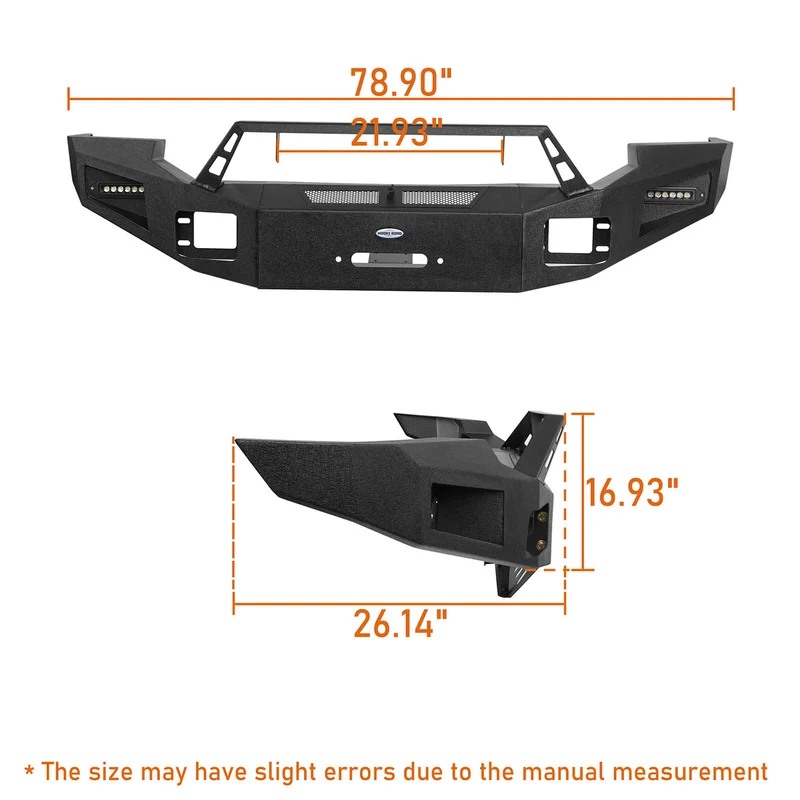
Compare Mounting Points
Mounting points are one of the most important physical fitment considerations.
Compare your existing bumper with the replacement listing and look at:
Mounting brackets
Bolt locations
Bracket spacing
Sensor locations
Openings
Overall shape
If you’re uncertain, photos of your existing bumper can help when requesting fitment assistance.
OEM vs. Aftermarket Bumpers
Truck bumpers can come from different sources, including original equipment manufacturers and aftermarket manufacturers.
An aftermarket bumper may have a different design or finish while still being produced for a particular vehicle application.
When purchasing, pay attention to the product description and determine exactly what type of bumper is being offered.
Don’t Assume Similar Appearance Means Compatibility
One of the most common mistakes when purchasing truck parts is assuming that two parts will fit because they look alike.
A bumper can have nearly identical styling but still differ in mounting points, sensor openings, brackets, or other specifications.
Always verify the actual fitment information instead of relying only on appearance.
Use Your VIN When Possible
Your vehicle identification number, or VIN, can provide additional information about your specific truck.
When available, provide the VIN along with your year, make, model, and trim when asking about bumper compatibility.
A VIN may help narrow down the vehicle configuration, although additional measurements, photos, or part numbers may still be useful.
Check the Part Number
If your existing bumper has a manufacturer part number, record it before purchasing.
Matching part numbers can provide useful information when comparing replacement components.
However, don’t rely solely on a number if you are unsure whether it applies to your exact truck. Provide the complete vehicle information so compatibility can be reviewed more accurately.
Ask Before You Order
If you’re uncertain about a bumper’s compatibility, it’s better to ask before completing your purchase.
Send the seller:
Truck year
Make and model
Trim level
Cab configuration
VIN, if available
Front or rear bumper
Existing part number, if available
Photos of your current bumper
This information can make the fitment process much easier.
What About Used Truck Bumpers?
Used bumpers can be a practical replacement option, particularly when you’re trying to replace a damaged original component.
When considering a used bumper, review the photos and condition description carefully. Look for visible dents, scratches, corrosion, missing brackets, sensor openings, and other relevant details.
Also confirm whether additional hardware or components are included with the bumper.
Avoid Modifying a Bumper Just to Make It Fit
If a replacement bumper doesn’t align with the truck’s factory mounting points, don’t assume it should be drilled, cut, or modified to make it work.
A bumper that requires unexpected modification may not be the correct part for your vehicle.
Confirm fitment before installation whenever possible.
Find the Right Truck Bumper With Rocking F Powersports
Finding the correct bumper starts with accurate vehicle information. Whether you’re replacing a damaged bumper after an accident, restoring your truck, or replacing worn exterior components, checking fitment before ordering can save time and prevent unnecessary returns.
Rocking F Powersports offers front and rear truck bumpers and other interior and exterior parts for Ford, Chevrolet, RAM, and GMC vehicles.
When contacting us about a bumper, provide your year, make, model, trim, VIN, and photos or part number when available.
Rocking F Powersports
Email: sales@rockingfpowersports.com
Quality Parts. Straightforward Service.